9 Best Tool Chests & Cabinets 2026: Rolling, Combo & Heavy-Duty Picks
A well-organized tool chest is the foundation of an efficient shop or garage. The right chest keeps every tool visible, accessible, and protected while maximizing your floor space. Whether you need a compact single-station chest for a home garage, a professional rolling combo unit for a full-time shop, or a pro-grade Montezuma cabinet for a career mechanic's investment, this guide covers the best tool chests and cabinets in 2026 at every price point from about $130 to $2,300.
Quick Picks: Our Top Recommendations
Here are our top tool chest picks across every category based on build quality, storage capacity, and value:
Prices change on Amazon. Amounts shown are planning estimates, not live quotes. Tap any button for current pricing.

Montezuma 72-inch 16-Drawer
Professional Tool Cabinet
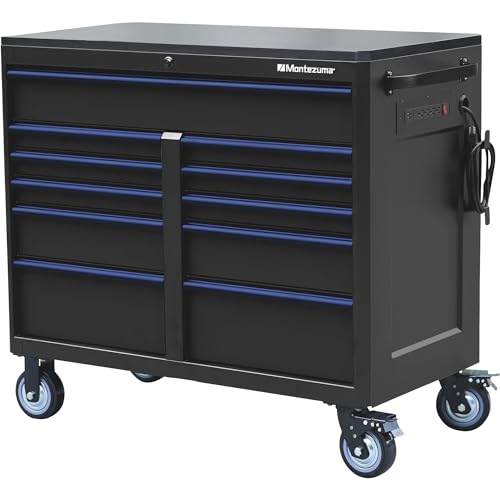
Montezuma 46-inch 11-Drawer
Heavy-Duty Tool Cabinet
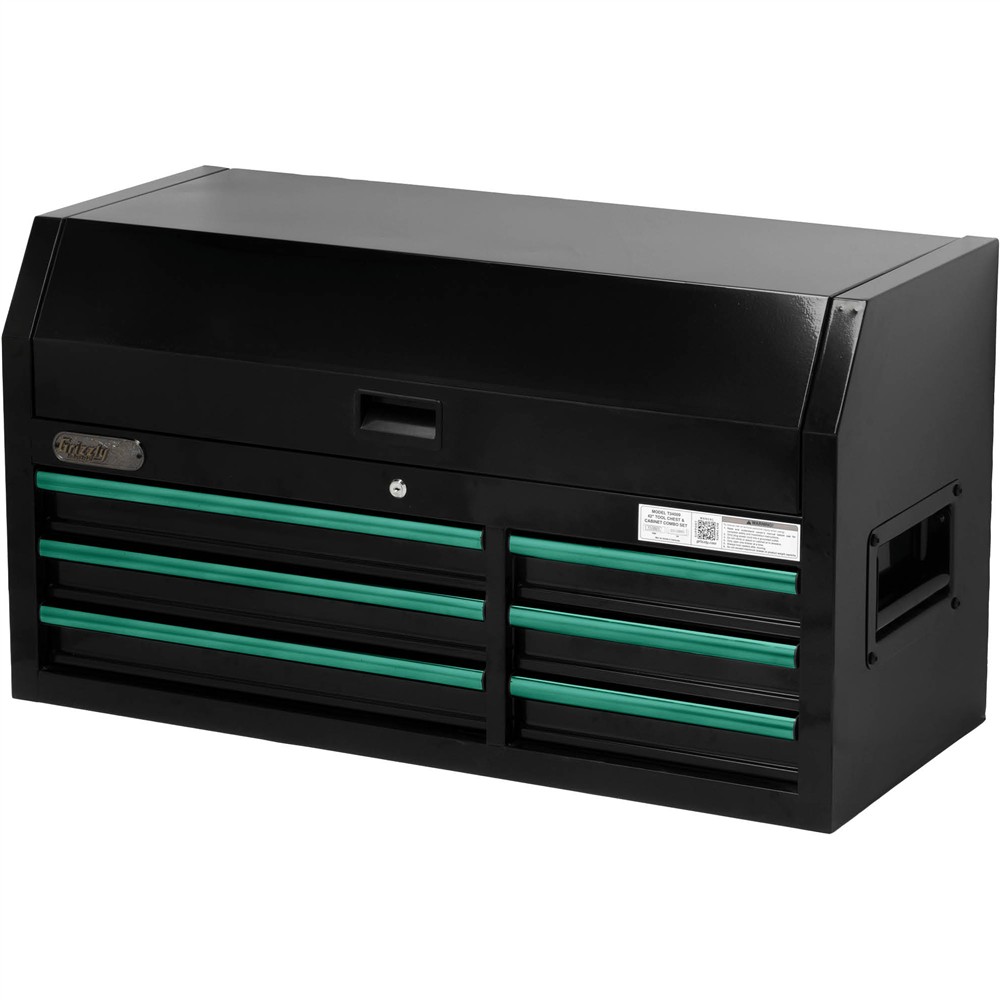
Prefer to buy direct? The Grizzly T34658 42" 6-Drawer Top Tool Chest is a strong 6-drawer tool chest from Grizzly Industrial, often priced lower factory-direct than through a reseller and backed by full parts availability and U.S. support.
Shop the T34658 at Grizzly.com →Product Comparison Table
Compare key specifications across all 9 tool chests and cabinets:
| Model | Drawers | Total Cu Ft | Weight Cap. | Steel Gauge | Lock Type | Budget |
|---|---|---|---|---|---|---|
| Milwaukee 46-inch 16-Drawer Tool Chest & Cabinet Set | 16 drawers | 24.7 cu ft | 2,800 lbs total | 18 gauge steel | Single key lock | Under $2,500 |
| WORKPRO 52-inch Rolling Tool Chest & Cabinet | 5 drawers + door | 19.0 cu ft | 1,000 lbs total | 20 gauge steel | Single key lock | Under $1,000 |
| Montezuma 72-inch 16-Drawer Rolling Tool Cabinet | 16 drawers | 30.2 cu ft | 3,000 lbs total | 16 gauge steel | Keyed lock | Under $2,500 |
| CHETTO 72-inch Rolling Tool Chest Workbench | 15 drawers | 38.0 cu ft | 2,500 lbs total | 20 gauge steel | Single key lock | Under $2,500 |
| CRAFTSMAN S2000 52-inch 10-Drawer | 10 drawers | 21.5 cu ft | 2,200 lbs total | 18 gauge steel | Single key lock | Under $1,000 |
| DEWALT DWST24062 41-inch 6-Drawer Tool Chest | 6 drawers | 12.0 cu ft | 1,200 lbs total | 18 gauge steel | Single key lock | Under $1,000 |
| Montezuma 46-inch 11-Drawer Rolling Tool Cabinet | 11 drawers | 30.0 cu ft | 3,000 lbs total | 16 gauge steel | Keyed lock | Under $2,500 |
| Goplus 5-Drawer Rolling Tool Chest | 5 drawers + top box | 9.0 cu ft | 1,000 lbs total | 20 gauge steel | Lock bar | Under $250 |
| GEARWRENCH 42-inch 11-Drawer Mobile Work Station (83169) | 11 drawers | 26.3 cu ft | 2,800 lbs total | 18 gauge steel | Single key lock | Under $2,500 |
Detailed Reviews

Milwaukee 46-inch 16-Drawer Tool Chest & Cabinet Set
Rolling Chest/Cabinet ComboThe Milwaukee 46-inch 16-Drawer combo is the best overall tool chest for professionals and serious enthusiasts who want professional quality without the Snap-on price tag. The 18-gauge steel construction, full-extension 150-lb rated drawer slides, and soft-close drawers deliver a tactile experience that rivals units costing twice as much. The PACKOUT integration and Milwaukee RED Plaid drawer liner set this chest apart from the Husky and Craftsman competition.
Pros
- 18-gauge steel with excellent dent resistance
- Full-extension soft-close drawer slides rated 150 lbs
- Milwaukee PACKOUT system integration
- 16 drawers in combo provides extensive organization
- Power strip mounting location built into work surface
- Excellent Milwaukee warranty and service network
- Side wall power station with USB and outlet
Cons
- Higher price than Husky and Craftsman competitors
- Heavy; requires two people to position
- Deep drawers could use more shallow organizer options
- Limited color options versus Snap-on custom builds
Our Verdict
The Milwaukee 46-inch combo is the best overall tool chest for serious shop owners who want professional-grade quality without paying dealer prices. The soft-close slides and 18-gauge steel put this well above the budget alternatives at a very reasonable premium.

WORKPRO 52-inch Rolling Tool Chest & Cabinet
Rolling Chest/Cabinet ComboThe WORKPRO 52-inch rolling tool chest is the best-value tool storage solution for homeowners, DIYers, and hobbyist mechanics who need significant organization at a reasonable price. The combo configuration includes a built-in power strip, a locking system, and a 1,000-pound load rating, all on heavy-duty wheels. The 20-gauge steel is not pro-shop grade, but for a home garage it is entirely adequate at this price.
Pros
- Outstanding value for a 52-inch rolling combo
- Built-in power strip on the work surface
- Heavy-duty wheels and 1,000 lb capacity
- Full-extension ball-bearing slides
- Lockable for security
- In stock and ships fast from Amazon
Cons
- 20-gauge steel shows dents more easily than 18-gauge
- No soft-close drawers at this price point
- Caster quality requires floor protectors on finished surfaces
- Fewer drawers than premium combos
Our Verdict
The WORKPRO 52-inch combo is the best value tool chest for home garage use. If your budget is under $1,000 and you need substantial storage, this is the unit to buy. The built-in power strip and 1,000-pound capacity make it the obvious choice for most homeowners.
Montezuma 72-inch 16-Drawer Rolling Tool Cabinet
Rolling Cabinet ComboThe Montezuma 72-inch 16-drawer rolling tool cabinet is the closest thing to dealer-truck quality you can buy online. The heavy 16-gauge steel body, full-extension ball-bearing slides, and integrated power outlets represent serious professional tool storage. Montezuma builds in the USA, and this 72-inch cabinet holds a full professional tool set with room to spare. It is a long-term investment that holds up to daily shop use.
Pros
- Heavy 16-gauge steel body, the thickest in this review
- 16 drawers on full-extension ball-bearing slides
- Integrated power outlets built into the cabinet
- Made in the USA
- 72-inch footprint holds a complete pro tool set
- Available online without a dealer account
Cons
- Premium price is a significant investment
- Limited stock at last check
- Heavy freight delivery requires planning
- More cabinet than most home garage users need
Our Verdict
The Montezuma 72-inch is for professionals who depend on their tools daily and want their storage to last a career, without a dealer account or dealer pricing. The 16-gauge steel and USA build put it in a different class from consumer combos. For home use, the WORKPRO or Craftsman is a more rational choice.

CHETTO 72-inch Rolling Tool Chest Workbench
Rolling Cabinet ComboThe CHETTO 72-inch rolling tool chest is the largest-capacity value combo we found on Amazon. The 72-inch footprint and 15-drawer configuration provide more raw storage volume than anything else near its price, plus a stainless pegboard back, three upper cabinets, and a built-in power outlet strip. For a large home shop or garage where maximum capacity matters most, it delivers exceptional value.
Pros
- Maximum storage volume at the price point
- 15 drawers plus three upper cabinets and a pegboard
- 72-inch length provides a large work surface on top
- Built-in power outlet strip
- Heavy-duty locking casters
- In stock and ships from Amazon
Cons
- 20-gauge steel shows wear faster than 16-gauge alternatives
- Drawer slide quality not at Montezuma or Craftsman level
- Long footprint requires significant floor space
- Assembly and positioning need two people
Our Verdict
The CHETTO 72-inch is the best choice when maximum storage at the lowest per-drawer cost is the priority. For a large home shop or garage where raw capacity matters most, the 15-drawer layout plus upper cabinets and pegboard deliver a lot of organization for the money.
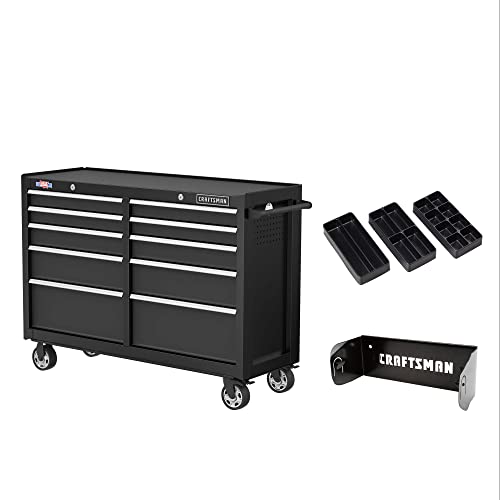
CRAFTSMAN S2000 52-inch 10-Drawer
Rolling Tool Storage CabinetThe CRAFTSMAN S2000 52-inch represents the new benchmark for mid-range tool chest quality since Craftsman's manufacturing revival under Stanley Black and Decker. The heavier-gauge steel, full-extension slides, and ten-drawer layout deliver a premium experience at a mid-range price. Available on Amazon and at Lowe's with excellent return policies and a strong Craftsman warranty program.
Pros
- Heavier-gauge steel at a mid-range price
- Full-extension drawer slides
- Available on Amazon and at Lowe's for easy returns
- Craftsman strong brand recognition and warranty
- Excellent drawer organization configurations
- Includes a tray and tool holder
Cons
- Ten drawers, fewer than larger combos
- Drawer depth configuration less flexible than Milwaukee
- Limited stock at last check
- Not as deep as 72-inch professional configurations
Our Verdict
The CRAFTSMAN S2000 52-inch is the best mid-range tool chest for users who want quality steel and a trusted brand at a price below the pro combos. The Amazon and Lowe's availability and Craftsman warranty provide excellent post-purchase support.

DEWALT DWST24062 41-inch 6-Drawer Tool Chest
Compact Rolling ChestThe DEWALT DWST24062 is the best compact tool chest for tradespeople who need quality storage that fits in a smaller garage bay or shop space. The 41-inch footprint handles most professional tool sets without the space demands of a 52 to 72-inch combo. The heavy-gauge steel, ball-bearing drawer slides, and DeWalt black-and-yellow industrial design are consistent with DeWalt's tool quality standards.
Pros
- Compact 41-inch footprint for smaller spaces
- Heavy-gauge steel quality at a mid-range price
- Durable powder coat finish resists shop chemicals
- Ball-bearing drawer slides for full access
- Six drawers handle most working tool sets
- Strong DeWalt brand warranty
Cons
- Smaller capacity limits growth for large tool collections
- No soft-close drawers at this price
- Caster quality is adequate but not exceptional
- Fewer drawers than 52-inch combos at similar price
Our Verdict
The DEWALT DWST24062 is the best compact tool chest for tradespeople with limited space who do not want to compromise on steel quality. The heavy-gauge construction and DeWalt warranty make it a solid pick for the price.
Montezuma 46-inch 11-Drawer Rolling Tool Cabinet
Heavy-Duty Rolling CabinetThe Montezuma 46-inch 11-drawer cabinet occupies the quality tier between consumer combos and dealer-truck brands, at a price that makes professional-grade storage accessible without a dealer account. The 16-gauge steel cabinet body, multiple power outlets, and heavy-duty drawer slides make this one of the most rugged chests in its price range. Montezuma builds in the USA, which matters to shop owners who prioritize domestic manufacturing.
Pros
- 16-gauge steel body for professional rigidity
- Multiple built-in power outlets
- Heavy-duty full-extension drawer slides
- Made in the USA
- 3,000 lb total weight capacity
- In stock and ships from Amazon
Cons
- Limited retail availability versus mass-market brands
- Heavier than comparable units due to 16-gauge steel
- Eleven drawers, fewer than 72-inch cabinets
- Premium price for a 46-inch footprint
Our Verdict
The Montezuma 46-inch is the best heavy-duty compact tool cabinet for shop owners who want pro-grade steel and American manufacturing without a dealer price. If you have a valuable tool collection and a tighter footprint, this is the cabinet to choose.

Goplus 5-Drawer Rolling Tool Chest
Compact Rolling CabinetThe Goplus 5-drawer rolling tool chest is the best budget pick for homeowners who are just starting to build their tool collection and need organized storage without a major investment. The detachable top toolbox plus rolling cabinet handles most starter tool sets including a socket set, basic wrenches, screwdrivers, and pliers. If you still need to fill it, start with our <a href="/guides/best-socket-sets">best socket sets</a> and <a href="/guides/best-wrench-sets">best wrench sets</a>. The compact footprint fits in tight garage spaces alongside vehicles, and lockable wheels keep it in place.
Pros
- Best-in-class value for a rolling chest
- Detachable top toolbox for portable jobs
- Compact footprint fits tight garage spaces
- Lockable wheels plus a lock bar for security
- Protective drawer liner and tool rack included
- In stock and ships fast from Amazon
Cons
- 20-gauge steel susceptible to denting
- Limited total capacity for large tool collections
- No soft-close drawers
- Casters are modest quality for a smaller unit
Our Verdict
The Goplus 5-drawer chest is the right starter tool chest for budget-conscious buyers. It organizes the average homeowner's tool collection effectively and costs a fraction of mid-range alternatives. Buy this when starting out and upgrade to a CRAFTSMAN S2000 or Milwaukee when your collection and budget both grow.

GEARWRENCH 42-inch 11-Drawer Mobile Work Station (83169)
Rolling Cabinet ComboThe GEARWRENCH 83169 is the professional mobile work station that the automotive and mechanical community has rallied around as a strong alternative to dealer-truck brands. The heavy-gauge steel body, full-extension drawer slides, and work-station design bring premium features to a price that does not require dealer financing. GEARWRENCH professional tool quality transfers directly to this storage system.
Pros
- Full-extension drawer slides across 11 drawers
- 18-gauge steel body throughout
- Exceptional GEARWRENCH tool quality reputation transfers to storage
- Mobile work-station design with a solid top
- Excellent drawer liner and organization accessories available
- Strong warranty and GEARWRENCH customer support
Cons
- Premium price for an 11-drawer station
- Less retail availability than mass-market brands
- Limited stock at last check
- Fewer color and configuration options
Our Verdict
The GEARWRENCH 83169 is the best professional tool chest for career mechanics and technicians who want dealer-grade quality without dealer pricing. The full-extension slides and work-station design provide the daily experience that separates professional storage from consumer-grade alternatives.

Photo via Unsplash
Tool Chest Buying Guide
Choosing a tool chest means balancing capacity, quality, portability, and budget. Here is what matters most in each category:
Frequently Asked Questions
What gauge steel should I look for in a quality tool chest?
Lower gauge numbers mean thicker steel. Budget tool chests use 20-22 gauge steel, which dents and flexes under heavy tool loads. Mid-range quality starts at 18 gauge. Professional-grade chests like Milwaukee and Snap-on use 16-18 gauge for the cabinet body and thicker gauge for drawer bottoms. The drawer bottom gauge is most important because it supports the most weight.
How much drawer space do I actually need?
A mechanic's basic tool set (sockets, wrenches, screwdrivers, pliers) fits comfortably in 10-12 drawers of moderate depth. Plan for about 2 cubic feet per 50 tools as a rough guide. The most useful configuration has 2-3 shallow drawers for small tools like bits and sockets, several medium drawers for wrenches and pliers, and 1-2 deep drawers for power tools, air tools, and larger equipment.
Is Snap-on worth the price over brands like Milwaukee or Matco?
Snap-on tool storage is the acknowledged quality benchmark, using heavier gauge steel, tighter tolerances, and better drawer slides than any competitor. The premium is real and the quality is real. However, Milwaukee, GEARWRENCH, and Montezuma have closed the gap significantly at a fraction of the price. For most technicians and enthusiasts, a Milwaukee or Craftsman Professional delivers 90% of the Snap-on experience at 20-30% of the cost.
What type of drawer slides should I look for?
Full-extension ball-bearing slides are the standard for quality tool chests. They allow the drawer to extend the full depth of the cabinet for access to items at the back. Look for slides rated to at least 100 lbs per drawer for a mid-range chest and 150+ lbs for a heavy-duty chest. Soft-close drawer slides, found on premium units like Milwaukee and Snap-on, prevent drawers from slamming and reduce wear on the slides and cabinet frame.
Should I buy a combo (chest plus cabinet) or separate units?
A combo unit provides the most total storage in a single purchase and keeps tools organized across a continuous height from floor to top chest level. Separate units allow you to start with one piece and add later, or configure units differently if your shop changes. For most users, a combo unit with a lower rolling cabinet and upper chest is the most practical and cost-effective choice. Separate units make more sense if you have multiple workstations or need to split storage between locations.
Related Calculators & Resources
Use these tools to plan your garage tool storage layout:
As an Amazon Associate and Grizzly Industrial affiliate, WorkshopCalc earns from qualifying purchases. Our recommendations are based on research into specifications, pricing, and verified owner reviews, not hands-on testing. We only recommend products we believe provide genuine value to shop owners, mechanics, and tradespeople.