9 Best Workbenches 2026: Heavy-Duty, Adjustable & Woodworking Benches
A workbench is the command center of any workshop. The right bench holds your work securely, stays flat under heavy use, and organizes your tools within arm's reach. Whether you are a furniture maker who needs a traditional European joiner's bench with twin-screw vises, a garage tinkerer who wants a heavy steel bench with drawer storage, or a contractor who needs something portable and foldable, this guide covers the best workbenches available in 2026 across every style and budget.
Quick Picks: Our Top Recommendations
Here are our top picks across each workbench category based on build quality, value, and real-world performance:
Prices change on Amazon. Amounts shown are planning estimates, not live quotes. Tap any button for current pricing.
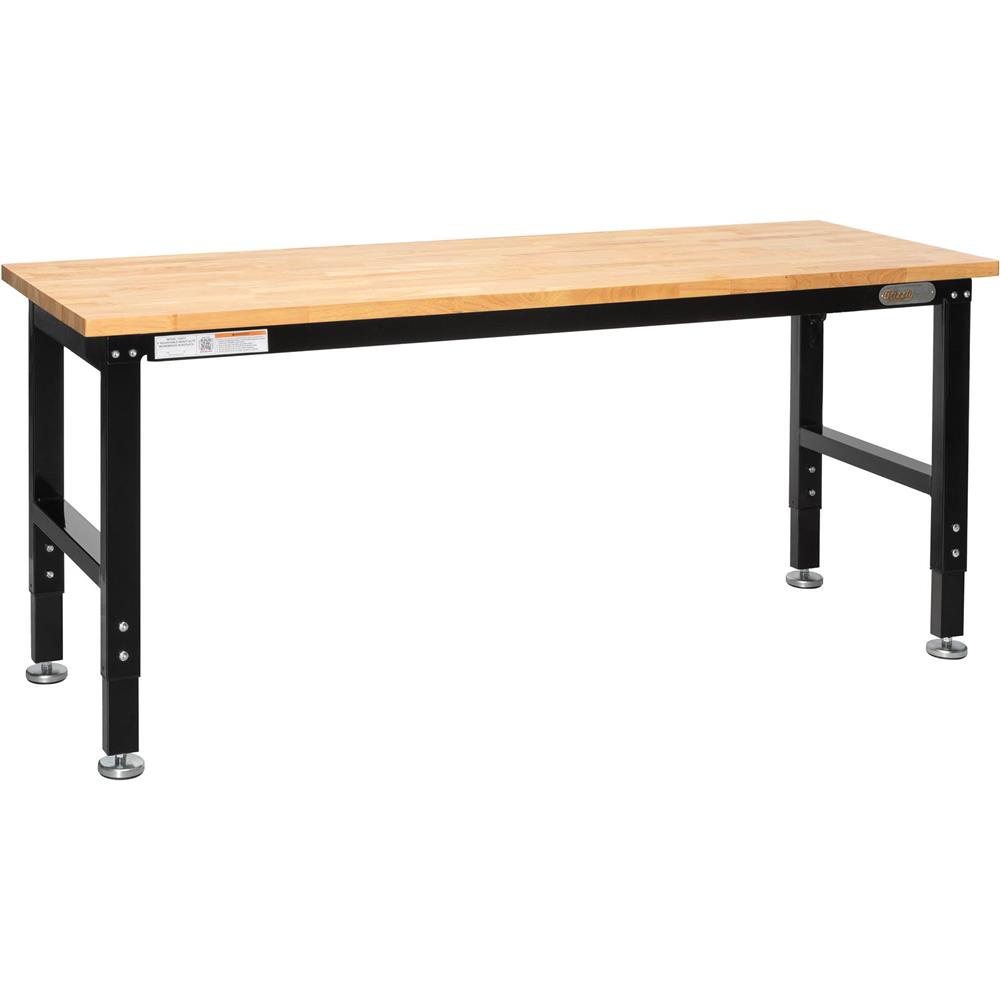
Prefer to buy direct? The Grizzly T34011 6' Adjustable Heavy-Duty Workbench with Outlets is a strong heavy-duty workbench from Grizzly Industrial, often priced lower factory-direct than through a reseller and backed by full parts availability and U.S. support.
Shop the T34011 at Grizzly.com →Product Comparison Table
Compare key specifications across all 9 workbenches:
| Model | Type | Dimensions | Weight Cap. | Material | Vise Included | Budget |
|---|---|---|---|---|---|---|
| Sjobergs Elite 2000 | Woodworking Bench | 71" x 23-5/8" top | 1,100 lbs | Solid Beech | Dual Vises | $2,500+ |
| Sjobergs Nordic Pro 1400 | Woodworking Bench | 53" x 22" x 35" | 500 lbs | Solid Beech | Front + End Vise | Under $2,500 |
| VEVOR 60-inch Adjustable Workbench | Steel Workbench | 60" x 24" adjustable height | 2,000 lbs | Steel + Hardwood Top | Not Included | Under $250 |
| WORKPRO 60-inch Adjustable Workbench | Steel Workbench | 60" x 24" adjustable height | 2,000 lbs | Steel + Rubberwood Top | Not Included | Under $500 |
| Rockler Handy Bench | Woodworking Bench | 16" x 32" benchtop | 400 lbs | Solid Beech | Moxon Vise | Under $500 |
| WORX Pegasus Folding Workbench | Portable Workbench | 31" x 25" x 32" | 300 lbs (table) / 1,000 lbs (sawhorse) | Resin + steel frame | 2 Clamps + 4 Clamp Dogs | Under $250 |
| Milwaukee 52-inch Mobile Workbench | Rolling Workbench | 52" 11-drawer | Heavy-duty | Steel + Clamp-Ready Wood Top | Clamp-ready top | $2,500+ |
| Bora Centipede 30-inch Work Table | Folding Support | 30" high, 4ft x 8ft span (folds flat) | 6,000 lbs | Steel frame | 4 Quick Clamps incl. | Under $250 |
| WEN 60-Inch Hardwood Workbench | Woodworking Bench | 60" with 4 drawers | 500+ lbs | Hardwood | Onboard Vise Included | Under $500 |
Detailed Reviews
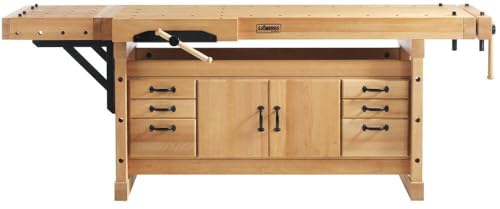
Sjobergs Elite 2000
Woodworking BenchThe Sjobergs Elite 2000 is the benchmark premium woodworking bench, handcrafted in Sweden from solid beech with a tradition spanning over a century. The 3.5-inch thick top, front shoulder vise, and end vise with bench dog system give you everything needed for hand tool joinery, furniture making, and serious woodworking. This bench is built to outlast its owner.
Pros
- Exceptional solid beech construction throughout
- Precision front shoulder vise and end vise
- Bench dog system for clamping boards flat
- Legendary Sjobergs quality and heritage
- Massive 3.5-inch thick top stays flat for decades
- Lower cabinet with drawers and storage included
Cons
- Significant investment at over $2,500
- Heavy; requires permanent placement
- Limited availability; may need to order direct
- Assembly required
Our Verdict
The Sjobergs Elite 2000 is the finest production woodworking workbench available. If you are a serious woodworker who wants to buy one bench and use it for the rest of your career, the Elite 2000 is worth every dollar. It is the bench you will pass down to your children.

Sjobergs Nordic Pro 1400
Woodworking BenchThe Sjobergs Nordic Pro 1400 brings genuine European joiner-bench quality to a home shop. The solid beech top with a front vise and end vise plus bench dog holes gives you real workholding for hand tool and power tool woodworking, and Sjobergs build quality means it stays flat for years. It is a compact bench that fits a one-person shop without crowding it.
Pros
- Solid beech top and base from Sjobergs
- Front vise and end vise included
- Bench dog holes for clamping boards flat
- Compact footprint suits small shops
- Legendary Sjobergs flatness and durability
- Far less expensive than the Elite line
Cons
- Smaller work surface than full-size benches
- Limited stock at last check
- Lighter weight capacity than steel benches
- Assembly required
Our Verdict
The Sjobergs Nordic Pro 1400 is the best real woodworking bench in this guide for hand-tool work. The dual vises and beech top deliver true joiner-bench function at a fraction of the cost of the Elite, making it ideal for a serious hobbyist.

VEVOR 60-inch Adjustable Workbench
Steel WorkbenchThe VEVOR 60-inch Adjustable Workbench is the best-value heavy-duty steel workbench for a garage. The height-adjustable legs accommodate a range of users, the solid hardwood top handles both woodworking and mechanical tasks, and built-in power outlets plus universal wheels make it a flexible mobile workstation. With a 3,000 lb load rating it shrugs off automotive and heavy shop work.
Pros
- Adjustable working height
- Heavy 2,000 lb weight capacity
- Solid hardwood top resists impact and wear
- Built-in power outlets
- Universal locking wheels for mobility
- Excellent value for a 60-inch bench
Cons
- No vise included; must purchase separately
- Some flex at maximum height setting
- Assembly instructions could be clearer
- No pegboard back panel
Our Verdict
The VEVOR 60-inch Adjustable is the best all-around steel workbench for a garage or shared workshop. The height adjustment and built-in outlets make it worth choosing over fixed-height alternatives, and the 2,000 lb capacity means it handles automotive and heavy shop tasks without hesitation.

WORKPRO 60-inch Adjustable Workbench
Steel WorkbenchThe WORKPRO 60-inch Adjustable Workbench brings real heavy-duty function to a budget price point. The solid rubberwood top, steel frame, height adjustment, and built-in power outlets make this an excellent foundation for a garage workshop. At well under $300 it delivers far more utility than a DIY lumber build.
Pros
- Outstanding value for a 60-inch heavy-duty bench
- Adjustable working height
- Built-in power outlets
- Solid rubberwood top holds up to garage use
- 2,000 lb load capacity
- Straightforward assembly
Cons
- Shorter than 72-inch benches
- No pegboard back panel
- No vise mount provisions
- Top benefits from a sealing finish
Our Verdict
The WORKPRO 60-inch Adjustable is the best budget workbench for garage setups. At under $300 it delivers heavy-duty capacity, height adjustment, and power outlets that most budget benches lack. Buy this when budget is the primary concern.
Rockler Handy Bench
Woodworking BenchThe Rockler Handy Bench packs real woodworking workholding into a compact, garage-friendly footprint. The solid beech benchtop carries a built-in Moxon vise and a 4x4 dog hole grid, and the adjustable steel base brackets let you set it at a comfortable working height. It is the best ready-made woodworking bench for a small shop or as a dedicated joinery station.
Pros
- Solid beech benchtop with Moxon vise
- 4x4 dog hole grid for clamping
- Adjustable-height steel base brackets
- Compact, fits a small shop
- Ready to use out of the box
- Genuine woodworking workholding at a low price
Cons
- Small work surface versus full-size benches
- Lower weight capacity than steel benches
- Not a full furniture-making bench
- Limited storage
Our Verdict
The Rockler Handy Bench is the best choice for woodworkers who want true workholding in a compact, ready-made bench. The Moxon vise and dog grid handle joinery and dovetails, and the adjustable base sets it to your height without a weekend of construction.
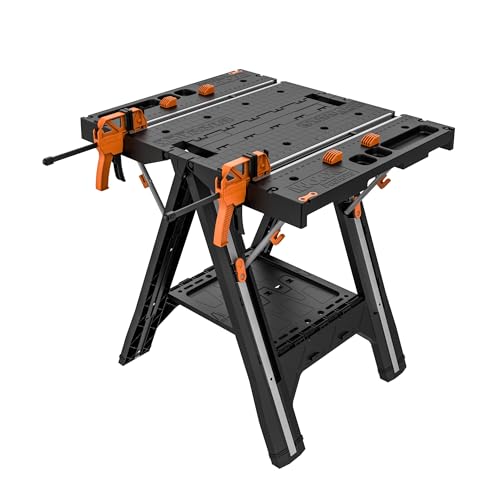
WORX Pegasus Folding Workbench
Portable WorkbenchThe WORX Pegasus is engineered for portability and versatility. The folding frame sets up in seconds and converts between a flat work table and a sawhorse pair, and the included clamps and clamp dogs grip workpieces directly on the top. This is the best choice for woodworkers who work in multiple locations or need a quick-deploy assembly bench.
Pros
- Folds flat for transport and storage
- Converts between work table and sawhorse
- Includes 2 quick clamps and 4 clamp dogs
- Quick setup and breakdown
- Lightweight yet sturdy
- Excellent for assembly and on-site work
Cons
- Resin top not as durable as solid hardwood
- Limited 300 lb table-mode capacity
- Less rigid than fixed benches
- No storage
Our Verdict
The WORX Pegasus is the best portable workbench for woodworkers who need a bench that travels and sets up fast. It is not a replacement for a permanent woodworking bench but excels as a secondary assembly and clamping surface.

Milwaukee 52-inch Mobile Workbench
Rolling WorkbenchThe Milwaukee 52-inch High Capacity Mobile Workbench brings the quality and storage of a premium tool chest to a full-size workbench format. The clamp-ready wood top handles both workshop and mechanical tasks, and eleven heavy-duty drawers with full-extension slides give serious tradespeople a rolling command center.
Pros
- Clamp-ready solid wood work surface
- Eleven full-extension drawers
- Heavy-gauge steel cabinet construction
- Heavy-duty locking casters for mobility
- Excellent drawer quality versus competitors
- Integrates with the Milwaukee storage ecosystem
Cons
- Premium price, the most expensive rolling option here
- Very heavy; moving requires two people
- Casters require floor protectors on finished floors
- No back panel or overhead storage
Our Verdict
The Milwaukee 52-inch Mobile Workbench is the best rolling workbench for serious tradespeople and Milwaukee ecosystem users. The clamp-ready top, drawer count, and build quality justify the premium over lighter rolling alternatives.

Bora Centipede 30-inch Work Table
Folding SupportThe Bora Centipede is not a traditional workbench but fills a critical role as an ultra-portable, ultra-compact work support that sets up in seconds. Top it with a sheet of plywood or your existing door blank and you have a full 4ft by 8ft work surface that folds flat for storage. It ships with 2x4 brackets, quick clamps, and a carrying bag, making it the best solution for small shops, temporary setups, or outfeed support.
Pros
- Folds completely flat for storage
- Sets up in seconds
- Supports up to 6,000 lbs with a flat top
- Includes brackets, quick clamps, and bag
- Use with any plywood sheet as an instant bench
- Ideal outfeed support for table saws and planers
Cons
- Not a true workbench; requires a separate top
- No dedicated vise
- Height is fixed (no adjustment)
- Lateral stability is less than a traditional bench
Our Verdict
A Bora Centipede and a sheet of 3/4-inch plywood create the most space-efficient workbench solution available. If you have a small shop or work in multiple locations, the Centipede is unbeatable at this price.

WEN 60-Inch Hardwood Workbench
Woodworking BenchThe WEN 60-Inch Hardwood Workbench delivers a real hardwood woodworking bench at a price that undercuts the European imports by a wide margin. The hardwood top, onboard vise, and four storage drawers provide everything a serious hobbyist needs to get started with hand tool and power tool woodworking without breaking the bank.
Pros
- Excellent value for a hardwood woodworking bench
- Onboard vise included
- Four storage drawers built in
- Generous 60-inch work surface
- Ships ready to assemble with good hardware
- WEN customer service is responsive
Cons
- Vise quality not at Sjobergs level
- Some sanding and finishing work before first use
- Top thickness less than premium European benches
- No dedicated end vise for full bench dog functionality
Our Verdict
The WEN 60-Inch is the best-value hardwood woodworking bench for hobbyists and weekend woodworkers who need genuine workholding and storage without the premium price. It performs far above its price class and gets most woodworkers most of the way to what a $2,800 Sjobergs provides.

Photo via Unsplash
Workbench Buying Guide
Choosing a workbench requires matching the bench to your work style, available space, and primary materials. Here is what separates a great bench from a mediocre one:
Frequently Asked Questions
What height should a workbench be?
Standard workbench height is 34-36 inches, which suits most people for standing work. A practical rule is to stand straight, drop your arms, and position the bench surface at your knuckle height. For hand planing, lower benches around 32-33 inches give better body leverage. For fine detail work, taller benches around 38-40 inches reduce back strain. Adjustable-height benches solve this entirely.
Do I need a vise on my workbench?
A vise is essential for any serious woodworking workbench. A face vise on the left end holds boards for planing and sawing, while a tail vise or wagon vise works with bench dogs to clamp long boards flat on the bench surface. For a garage or general workshop bench, a single leg vise or quick-release face vise handles the majority of clamping tasks without the complexity of a full twin-vise setup.
What is the best workbench top material?
Hard maple is the traditional and best material for woodworking bench tops due to its hardness, flatness retention, and ability to be planed flat when it develops wear. Beech is a close and often less expensive alternative used by European bench makers like Sjobergs. For garage and general use, a laminated hardwood top or a steel top with wood working surface both perform well. MDF and particleboard tops are economical but not durable for serious work.
How much weight capacity do I need in a workbench?
Most woodworking workbenches comfortably handle 500-1,000 lbs of static load. For general shop use, 300-500 lbs is sufficient for most tasks. Heavy-duty steel garage benches typically rate 2,000+ lbs. The more important factor is stiffness and racking resistance, not raw weight capacity. A wobbly bench with a 2,000 lb rating is less useful than a rigid bench rated for 500 lbs.
Should I build or buy a workbench?
Building your own workbench from solid hardwood is a time-honored tradition that produces a bench perfectly sized for your body and shop, and often costs less than a comparable premium commercial bench. However, a quality kit or pre-built bench gets you working immediately without dedicating a weekend or more to construction. For most woodworkers, a Roubo-style kit bench or a quality commercial bench like the Sjobergs Elite makes more sense than a complete from-scratch build.
Related Calculators & Resources
Use these tools to plan your workbench setup and workshop layout:
As an Amazon Associate and Grizzly Industrial affiliate, WorkshopCalc earns from qualifying purchases. Our recommendations are based on research into specifications, pricing, and verified owner reviews, not hands-on testing. We only recommend products we believe provide genuine value to woodworkers and workshop owners.