The Complete Metalworking Shop Setup Guide for 2026

Photo via Unsplash
Plan your metal fabrication workshop with proper ventilation, electrical systems, machine layout, and safety infrastructure
Top Metalworking Shop Picks
Lincoln Electric 180 MIG Welder
230V MIG welder with spool gun capable. Welds up to 3/16" steel. Diamond Core technology provides a forgiving arc for beginners.
View on AmazonDeWalt 4-1/2" 11-Amp Paddle-Switch Angle Grinder
11-amp paddle-switch grinder with no-lock-on. E-Clutch anti-kickback system for metal cutting, grinding, and weld prep.
View on AmazonJET JSG-6DC 6" x 48" Belt and 12" Disc Sander
Combination belt/disc sander for deburring and finishing metal parts. Tilting table and miter gauge for precision grinding.
View on AmazonAs an Amazon Associate and Grizzly Industrial affiliate, WorkshopCalc earns from qualifying purchases.
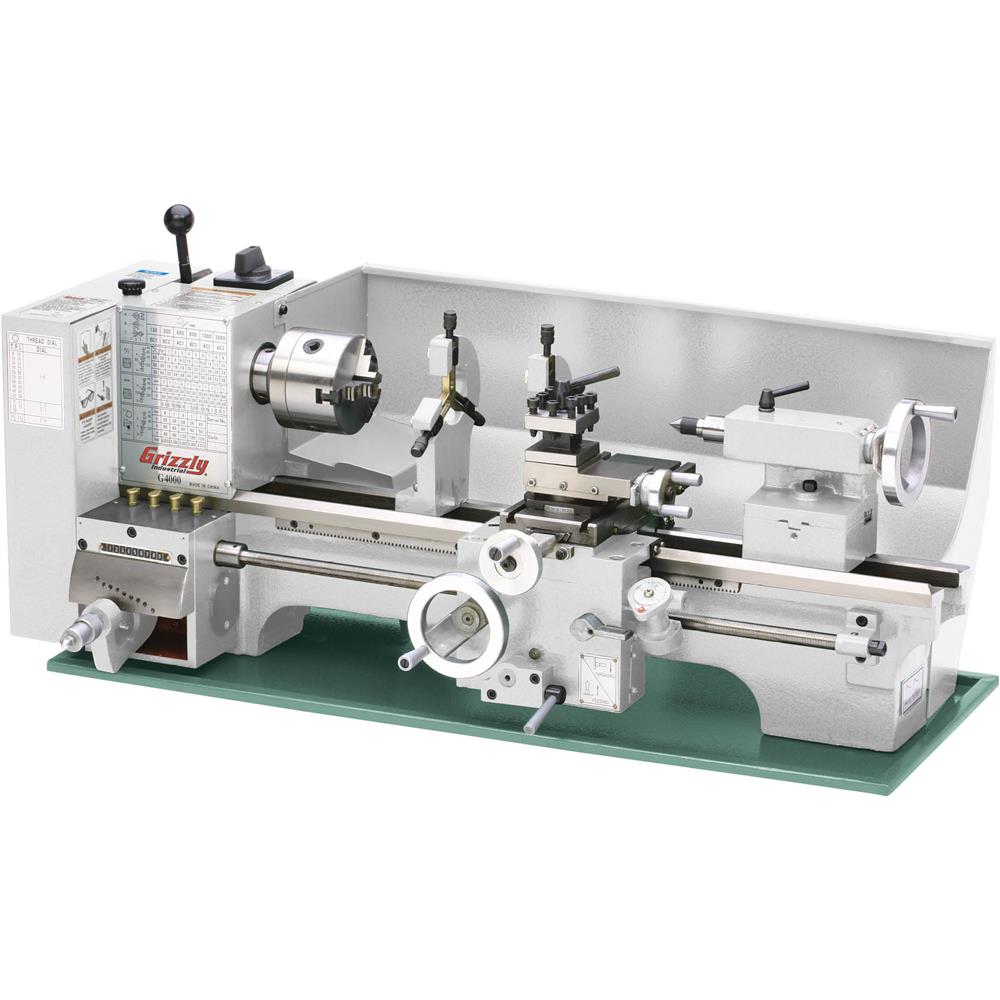
Setting up a metalworking shop? Grizzly Industrial builds the core machines factory-direct, often priced lower than through a reseller and backed by full parts availability and U.S. support:
G4000 Metal Lathe → G0761 Mill/Drill → G0926 Metal Bandsaw →
Introduction to Metal Shop Planning
Setting up a metalworking shop requires fundamentally different considerations than woodworking. Metal fabrication involves welding fumes, grinding sparks, heavy machinery, and significant electrical demands that create unique challenges for workshop design.
A well-planned metal shop separates hot work from precision work, provides adequate ventilation to remove hazardous fumes, and has the electrical infrastructure to run demanding equipment like welders, plasma cutters, and large metal lathes.
Critical Safety Note
Metalworking shops have higher fire risks than other workshop types. Always consult local fire codes, maintain proper fire extinguisher placement, and never store flammable materials near welding or grinding areas.
Key Differences from Woodworking Shops
Metal shops face unique challenges that directly impact planning:
- Higher electrical demands: Welders and plasma cutters require dedicated 240V circuits, often 50A or higher
- Ventilation priority: Welding fumes contain hazardous metals and must be actively extracted
- Floor durability: Heavy materials and dropped objects require reinforced or epoxy-coated flooring
- Fire separation: Hot work areas need physical separation from storage and finishing areas
- Compressed air: Most metalworking tools require pneumatic power for cutting, grinding, and surface prep
Space Requirements and Zoning
Metal shops benefit from clear zone separation. Unlike woodworking where dust is the primary concern, metalworking creates sparks, fumes, and spatter that must be contained to specific areas.
Minimum Space Recommendations
| Shop Type | Minimum Size | Recommended Size |
|---|---|---|
| Light fabrication (hobbyist) | 200 sq ft | 400+ sq ft |
| General fabrication | 400 sq ft | 800+ sq ft |
| Full machine shop | 800 sq ft | 1500+ sq ft |
| Production fabrication | 1500 sq ft | 3000+ sq ft |
Zone Planning
Divide your metalworking space into distinct functional zones:
Hot Work Zone
This area contains welding, plasma cutting, and torch work. Characteristics include:
- Fire-resistant curtains or permanent partitions
- Dedicated fume extraction
- Non-combustible materials within 35 feet
- Fire extinguisher within 25 feet
- Posted hot work permit area if required by local codes
Machine Zone
For lathes, mills, drill presses, and band saws:
- Level, reinforced flooring for heavy equipment
- Adequate lighting (50+ foot-candles at work surfaces)
- Chip collection provisions
- Coolant containment if using CNC or production machines
Grinding and Finishing Zone
For angle grinders, bench grinders, sanders, and finishing work:
- Spark containment or direction away from flammables
- Dust collection for sanding operations
- Good lighting for inspection
Assembly and Layout Zone
For measuring, marking, fitting, and assembly:
- Large flat surface (layout table or welding table)
- Clean environment away from grinding dust
- Precision measuring tools storage nearby
Flooring and Infrastructure
Metal shop flooring must handle dropped materials, rolling heavy equipment, welding spatter, and oil/coolant spills. The right floor choice prevents damage and improves safety.
Flooring Options
Sealed Concrete (Budget Option)
Standard concrete with a penetrating sealer is the minimum acceptable flooring:
- Cost: $1-3 per square foot (sealer only)
- Pros: Affordable, easy to maintain, handles heavy loads
- Cons: Can crack under impact, absorbs oil if sealer fails
Epoxy-Coated Concrete (Recommended)
Two-part epoxy coating provides excellent durability:
- Cost: $3-7 per square foot (DIY) or $5-12 professional
- Pros: Chemical resistant, easy to clean, anti-slip textures available
- Cons: Can chip from heavy impact, requires proper surface prep
- Recommended: Industrial-grade epoxy with broadcast flake or quartz for grip
Polyurea or Polyaspartic Coating (Premium)
More flexible and UV-stable than epoxy:
- Cost: $8-15 per square foot
- Pros: Faster cure time, better impact resistance, doesn't yellow
- Cons: Higher cost, less DIY-friendly
Infrastructure Considerations
Floor Drains
If using water-cooled equipment or wash-down cleaning:
- Slope floor minimum 1/8" per foot toward drains
- Oil/water separator may be required by local codes
- Trench drains work well for large shops
Anchor Points
Plan for equipment mounting:
- Lathes and mills require floor anchoring for stability
- Use epoxy anchors rated for your equipment weight
- Consider machine placement before coating floors
Calculate Your Electrical Requirements
Metal shops have significant electrical demands. Use our calculator to determine your service and subpanel needs.
Use Electrical Load Calculator
Photo via Unsplash
Electrical Systems for Metal Shops
Metalworking equipment has substantial electrical demands that often exceed standard residential service. Planning electrical infrastructure is critical before installing any major equipment.
Common Equipment Power Requirements
| Equipment | Typical Draw | Circuit Required |
|---|---|---|
| MIG Welder (small) | 20-30A @ 120V | 30A 120V dedicated |
| MIG Welder (200A+) | 30-50A @ 240V | 50A 240V dedicated |
| TIG Welder | 30-50A @ 240V | 50A 240V dedicated |
| Plasma Cutter | 30-50A @ 240V | 50A 240V dedicated |
| Metal Lathe (bench) | 10-15A @ 120V | 20A 120V dedicated |
| Metal Lathe (floor) | 20-30A @ 240V | 30A 240V dedicated |
| Vertical Mill | 15-25A @ 240V | 30A 240V dedicated |
| Horizontal Band Saw | 8-15A @ 120V | 20A 120V dedicated |
| Air Compressor (5+ HP) | 20-30A @ 240V | 30-40A 240V dedicated |
Subpanel Requirements
Most metalworking shops require a dedicated subpanel. A typical setup:
Minimum Setup (Light Fabrication)
- 60A subpanel
- 2x 240V/50A circuits for welders
- 2x 120V/20A general purpose circuits
- 1x 240V/30A for compressor
Recommended Setup (General Fabrication)
- 100A subpanel
- 3x 240V/50A circuits for welding equipment
- 2x 240V/30A circuits for machines
- 4x 120V/20A general purpose circuits
- 1x 240V/40A for compressor
- Dedicated lighting circuit
Welder Circuit Tip
Install 6-50R receptacles for welders (common standard) rather than hardwiring. This allows flexibility to move equipment and simplifies upgrades. Use NEMA 6-50 plugs rated for your welder's amperage.
Ground Fault and Arc Fault Protection
While GFCI protection is required for garage receptacles in most jurisdictions, welding circuits are often exempt when properly installed. Consult your local electrical code. Key points:
- AFCI protection is not typically required for dedicated equipment circuits in garages/shops
- Ground rods may be required for welding circuits in some jurisdictions
- All metal equipment should be properly grounded to the panel
Welding Ventilation and Fume Extraction
Welding fume exposure is a serious health hazard. Fumes contain metal oxides, gases, and particles that cause respiratory damage, neurological effects, and cancer with prolonged exposure. Proper ventilation is not optional in a metalworking shop.
Types of Ventilation
General Ventilation
Provides overall air exchange but doesn't capture fumes at the source:
- Minimum 4-6 air changes per hour for light welding
- Cross-ventilation with intake and exhaust fans
- Exhaust should be low (fumes tend to settle) and high (some rise)
- Not sufficient as primary protection for regular welding
Local Exhaust Ventilation (LEV)
Captures fumes directly at the welding point and is the recommended approach:
- Fume extractor arms positioned 6-12 inches from weld
- Minimum 1,000-2,000 CFM per welding station
- Downdraft or backdraft tables for bench work
- Source capture efficiency should be 90%+
Fume Extraction Options
Portable Fume Extractors
Self-contained units with filters and flexible arms:
- CFM range: 200-1,000 CFM
- Filter types: Pre-filter + HEPA or cartridge
- Best for: Occasional welding, multiple locations
- Cost: $500-3,000
Fixed Fume Arms
Wall or ceiling-mounted extraction arms connected to central system:
- CFM range: 500-2,000 CFM per arm
- Reach: 5-10 feet typical
- Best for: Dedicated welding stations
- Cost: $800-2,500 per arm (plus ductwork)
Downdraft Tables
Welding tables with built-in extraction:
- CFM range: 1,500-4,000 CFM
- Best for: Small parts, production work
- Pros: Consistent capture, doubles as work surface
- Cost: $3,000-15,000
Special Material Warning
Welding galvanized steel, stainless steel, or exotic metals produces more hazardous fumes. When working with these materials, use respiratory protection (minimum P100 or supplied air) even with local exhaust ventilation.
Ventilation System Design
For a central extraction system:
- Calculate total CFM needed (all sources that may run simultaneously)
- Size main duct for 3,500-4,500 FPM velocity
- Use smooth metal duct (not flex) for main runs
- Install blast gates at each extraction point
- Choose appropriate filtration (MERV 15+ or HEPA for indoor recirculation)
- Provide makeup air to replace exhausted air
Size Your Air Compressor
Metal fabrication relies heavily on pneumatic tools. Calculate the right compressor size for your shop.
Use Air Compressor CalculatorCompressed Air Systems
Compressed air is essential in metalworking for plasma cutters, die grinders, impact wrenches, sandblasting, and paint equipment. A properly sized system prevents frustrating pressure drops and tool performance issues.
Air Tool Requirements
| Tool | CFM @ 90 PSI | Usage Pattern |
|---|---|---|
| Die Grinder | 4-6 CFM | Intermittent |
| Angle Grinder (air) | 5-8 CFM | Intermittent |
| Cut-off Tool | 4-5 CFM | Intermittent |
| Impact Wrench (1/2") | 4-5 CFM | Intermittent |
| Impact Wrench (3/4") | 7-12 CFM | Intermittent |
| DA Sander | 8-13 CFM | Continuous |
| Sandblaster (small) | 10-20 CFM | Continuous |
| Sandblaster (cabinet) | 15-35 CFM | Continuous |
| Plasma Cutter | 4-8 CFM @ 60-90 PSI | Intermittent |
| HVLP Spray Gun | 8-15 CFM | Continuous |
Compressor Sizing
Metal shops typically need more CFM capacity than woodworking shops:
Light Metal Shop
- Occasional grinding, cutting, and fastening
- Minimum: 5-10 CFM continuous
- Recommended: 60-80 gallon single-stage, 5 HP
Active Fabrication Shop
- Regular grinding, sandblasting, plasma cutting
- Minimum: 15-25 CFM continuous
- Recommended: 80-120 gallon two-stage, 7.5 HP
Production Shop
- Multiple users, continuous operations
- Minimum: 30+ CFM continuous
- Recommended: Rotary screw compressor or multiple reciprocating units
Air Distribution
Proper distribution prevents pressure drops:
- Use 3/4" or 1" main lines (aluminum or black iron)
- Create a loop system for even pressure
- Drop lines with moisture traps at each station
- Keep hose runs under 25 feet when possible
- Install a refrigerated dryer for paint and plasma operations
Machine Layout and Workflow
Metal shop workflow typically follows: Material Storage → Cutting → Forming/Machining → Welding → Grinding/Finishing → Assembly. Arrange your shop to follow this flow while maintaining safe clearances.
Clearance Requirements
| Equipment | Operating Clearance | Notes |
|---|---|---|
| Metal Lathe | 3 ft sides, 4+ ft at tailstock end | Consider longest workpiece |
| Vertical Mill | 3 ft all sides | Access for table travel |
| Horizontal Band Saw | 4 ft front, 2 ft sides | Material loading space |
| Welding Station | 5 ft all sides minimum | Fire safety clearance |
| Drill Press | 3 ft front, 2 ft sides | Swing radius for handles |
| Bench Grinder | 4 ft front (spark direction) | Spark containment consideration |
Layout Principles
- Separate hot from cold: Keep welding and grinding away from precision machines
- Group by power requirements: Place high-draw equipment near the subpanel
- Plan for material flow: Raw stock in, finished parts out, minimal backtracking
- Maximize natural light: Position precision work near windows when possible
- Consider vibration: Don't place precision machines near impact equipment
Welding Station Design
A well-designed welding station improves quality, efficiency, and safety. Consider it the heart of most metal fabrication shops.
Welding Table Selection
Your welding table is the most important fixture in the shop:
Steel Slab Table
- 3/8" to 1" thick steel plate
- Pros: Inexpensive, easily fabricated, excellent ground
- Cons: Heavy, can warp, limited fixturing options
- Cost: $200-500 DIY, $500-1500 commercial
Cast Iron Table
- Traditional machine table repurposed
- Pros: Flat, stable, T-slots for fixturing
- Cons: Can crack, must protect from spatter
- Cost: $500-2000 (used surplus)
Modular Fixturing Table
- Precision-machined with grid holes (16mm or 5/8" pattern)
- Pros: Unlimited fixturing options, maintains flatness
- Cons: Expensive, requires fixturing investment
- Brands: Siegmund, BuildPro, Strong Hand
- Cost: $2,000-10,000+
Welding Station Accessories
- Positioner or turntable: Rotates work to weld in optimal position
- Clamps and fixtures: Matched to your table system
- Grounding clamp location: Direct connection to table or work
- Gas cylinder storage: Chained upright, away from heat sources
- Filler rod storage: Dry storage near station
- Helmet and glove storage: Accessible but protected from spatter
Lighting for Welding
Welding areas need specific lighting considerations:
- Bright ambient light (75+ foot-candles) for setup and inspection
- LED lighting preferred (no flicker interference with auto-darkening helmets)
- Position lights to minimize shadows on work
- Consider task lighting on adjustable arms
Grinding and Cutting Areas
Grinding and cutting operations create sparks, debris, and noise that require dedicated space with appropriate controls.
Bench Grinder Station
Essential for tool sharpening and deburring:
- Mount at proper height (wheel center at elbow height)
- Bolt securely to bench or pedestal
- Install adjustable tool rests (1/8" gap from wheel)
- Keep spark guards in place
- Position so sparks direct toward fire-safe wall or floor
- Consider adding dust collection port behind guard
Angle Grinder Work Area
For portable grinding operations:
- Non-combustible surface or fire blanket
- Spark direction consideration (away from flammables)
- Good lighting for precision work
- Vise or fixtures for securing work
- Storage for grinding discs (dry, organized by type)
Metal Cutting Station
For band saw, chop saw, and cutting torch operations:
- Roller supports for long stock
- Material stop for repeat cuts
- Coolant system for band saw (if cutting production quantities)
- Scrap bin nearby for drops
- Adequate clearance for longest anticipated stock
Material Storage Solutions
Metal stock is heavy, awkward, and can be dangerous if not stored properly. Good storage protects your investment and prevents injuries.
Stock Rack Systems
Horizontal Bar Racks
For round, square, and hex bar stock:
- Cantilever arms or dedicated bar rack
- Separate by material type (steel, aluminum, stainless)
- Label clearly
- Consider length: standard 12' and 20' stock needs planning
Sheet and Plate Storage
Flat stock requires careful handling:
- Vertical storage saves space but requires A-frame racks
- Horizontal storage stacks require spacers to prevent scratching
- Never lean sheet material against walls unsupported
- Consider a sheet rack with pull-out shelves for easy access
Tube and Pipe Storage
- Similar to bar stock racks
- End caps prevent debris entry
- Consider wall-mounted or ceiling racks to save floor space
Hardware and Consumables
- Small parts bins for fasteners (organize by size and type)
- Welding wire and rod storage (dry, organized)
- Grinding disc storage (flat, organized by type and size)
- Safety equipment storage (visible, accessible)
Safety Systems and Fire Prevention
Metalworking shops have higher injury and fire risks than other workshop types. Comprehensive safety systems are essential, not optional.
Fire Prevention
Fire Extinguisher Requirements
- Minimum: One 10-lb ABC extinguisher within 25 feet of welding area
- Recommended: Additional extinguishers at each entrance
- Consider CO2 extinguisher for electrical equipment
- Monthly visual inspection, annual professional inspection
Hot Work Procedures
- 35-foot clear zone around welding/cutting (or fire watch)
- Fire blankets for protecting nearby surfaces
- 30-minute fire watch after hot work concludes
- Sprinkler protection if available
Flammable Storage
- Store paints, solvents, and oils in approved cabinet
- Minimum 20 feet from welding areas
- Separate from compressed gas cylinders
- Bonding and grounding for flammable liquid transfer
Personal Protective Equipment
| Operation | Required PPE |
|---|---|
| Welding | Auto-darkening helmet (shade 10-13), leather gloves, leather jacket or sleeves, closed-toe boots, ear protection |
| Grinding | Safety glasses + face shield, hearing protection, leather gloves, long sleeves |
| Cutting (plasma/torch) | Cutting goggles or shield, leather gloves, leather apron, closed-toe boots |
| Machining | Safety glasses, NO gloves (entanglement hazard), hearing protection if loud |
Lathe Safety
Never wear gloves, loose clothing, or jewelry when operating a lathe. Entanglement with rotating work can cause severe injury or death. Keep long hair tied back and contained.
First Aid
- Industrial first aid kit (burns, cuts, eye wash)
- Eye wash station or portable bottles (15-minute supply)
- Burn treatment supplies
- Posted emergency numbers
- Clear path to exit at all times
Calculate Your Heating Requirements
Metal shops can be challenging to heat efficiently. Size your heating system properly.
Use Shop Heater CalculatorClimate Control Considerations
Metal shops present unique climate control challenges due to large doors, high ceilings, and significant ventilation exhaust that removes heated or cooled air.
Heating Options
Forced Air Heaters
- Fast heat-up, good for intermittent use
- Can disturb welding shielding gas (position carefully)
- Natural gas or propane options
- Keep combustion air intake away from fumes
Radiant/Infrared Heaters
- Ideal for metal shops (heats objects, not air)
- No air movement to disturb welding
- Efficient for high-ceiling spaces
- Natural gas, propane, or electric options
Unit Heaters
- Ceiling-mounted forced air
- Good for general heating
- Position away from welding stations
- Minimal floor space impact
Cooling Considerations
Cooling a metal shop is challenging:
- Evaporative coolers work well in dry climates and are economical
- Portable AC units can spot-cool specific areas
- High-volume, low-speed (HVLS) fans improve perceived comfort
- Mini-splits can be cost-effective for offices or precision areas
- Accept that welding areas will be hot; focus on breaks and hydration
Makeup Air
Critical but often overlooked: when you exhaust welding fumes, you need replacement air:
- Without makeup air, building goes negative and exhaust efficiency drops
- Heated makeup air units prevent cold drafts in winter
- Size makeup air to match exhaust CFM (within 10%)
- Natural infiltration (doors, gaps) can work for small exhaust volumes
Metalworking Shop Setup Checklist
Infrastructure
- Floor condition assessed and treated (sealed or coated)
- Electrical service evaluated and upgraded if needed
- Subpanel installed with adequate circuits
- 240V receptacles for welders and equipment
- Adequate lighting throughout (50+ foot-candles)
- Compressed air system installed and tested
Ventilation
- Welding fume extraction system installed
- General ventilation for air exchanges
- Makeup air provision addressed
- Grinding area dust/spark control
Safety
- Fire extinguishers positioned (within 25 ft of hot work)
- First aid kit stocked
- Eye wash station installed or bottles available
- PPE organized and accessible
- Flammable storage cabinet (if applicable)
- Emergency exits clear and marked
- Gas cylinder storage arranged (chained upright)
Equipment Layout
- Welding station positioned with proper clearances
- Machine tools anchored and leveled
- Material storage racks installed
- Workbench/layout table positioned
- Tool storage organized
Climate Control
- Heating system installed and tested
- Cooling strategy implemented
- Fans positioned for comfort without affecting welding