Photo via Unsplash
Complete torque specs by bolt size for SAE and Metric fasteners. Find the right tightening values for Grade 2, 5, 8 and Class 8.8, 10.9, 12.9 bolts.
As an Amazon Associate, we earn from qualifying purchases. See all recommendations
Torque values for SAE/USS (Unified National) bolts. Grade indicated by head markings: Grade 2 (no marks), Grade 5 (3 lines), Grade 8 (6 lines).
| Bolt Size | TPI | Grade 2 | Grade 5 | Grade 8 | |||
|---|---|---|---|---|---|---|---|
| Dry | Lub | Dry | Lub | Dry | Lub | ||
Torque values for Metric bolts. Class indicated by numbers on bolt head (8.8, 10.9, 12.9). Higher numbers indicate greater strength.
| Bolt Size | Pitch | Class 8.8 | Class 10.9 | Class 12.9 | |||
|---|---|---|---|---|---|---|---|
| Dry | Lub | Dry | Lub | Dry | Lub | ||
Never use dry torque specifications on lubricated fasteners. Over-tightening can cause bolt stretching, thread stripping, or catastrophic failure.
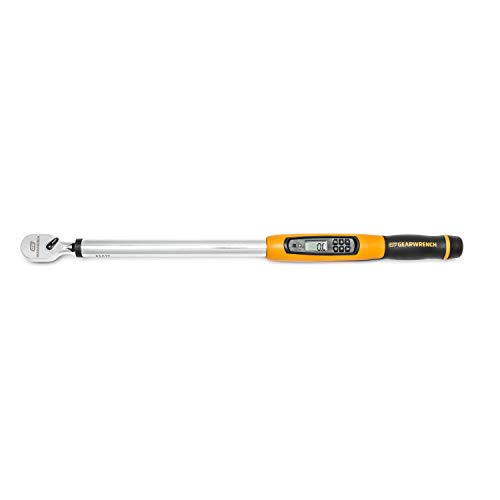
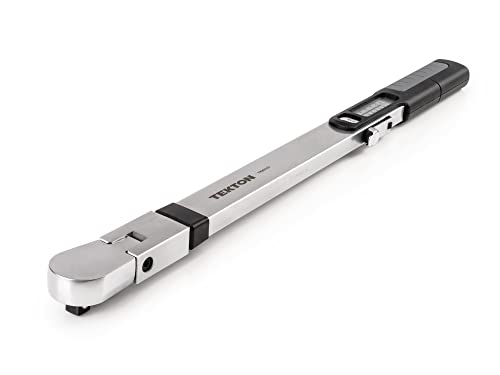
Quality torque wrenches for accurate bolt tightening. All recommendations based on accuracy, durability, and value.
As an Amazon Associate, WorkshopCalc earns from qualifying purchases. This helps support our free calculators and reference charts.
Dry torque values are for clean, unlubricated fasteners where friction between threads is at its normal level. Lubricated torque values (typically 20-30% lower) account for the reduced friction when threads have oil, grease, or anti-seize compound applied. Using dry torque specifications on lubricated bolts can cause over-tightening, which may stretch or break the bolt, strip threads, or cause joint failure.
SAE bolt grades indicate the tensile strength and hardness of the fastener. Grade 2 bolts (no head markings) are standard low-carbon steel suitable for general hardware. Grade 5 bolts (marked with 3 radial lines) are medium-carbon steel, commonly used in automotive and machinery applications. Grade 8 bolts (marked with 6 radial lines) are high-strength alloy steel for critical applications requiring maximum clamping force. Higher grades can withstand greater torque values.
To convert foot-pounds (ft-lbs) to Newton-meters (Nm), multiply by 1.3558. For example, 100 ft-lbs x 1.3558 = 135.58 Nm. To convert Newton-meters to foot-pounds, divide by 1.3558 or multiply by 0.7376. For quick mental math: ft-lbs x 1.36 is close enough for most applications, or Nm x 0.74 to go the other way. Use our converter tool above for precise calculations.
Coarse thread (UNC for SAE, standard pitch for metric) bolts have fewer threads per inch or a larger pitch. They are more resistant to stripping and cross-threading, easier to assemble, and better for softer materials. Fine thread (UNF for SAE, fine pitch for metric) bolts have more threads per inch, providing higher tensile strength, better vibration resistance, and more precise adjustment capability. Fine threads require slightly higher torque values and are more prone to galling in certain materials.
For general automotive and workshop use, start with a 1/2-inch drive click-type torque wrench covering 25-250 ft-lbs - this handles most common applications like lug nuts and engine work. Add a 3/8-inch drive wrench (10-80 ft-lbs) for smaller fasteners. For precision work or frequent use, consider a digital torque wrench with +/-2% accuracy. Quality brands include Tekton (best value), GearWrench (best digital), and CDI (professional grade). Always store click-type wrenches at their lowest setting to preserve calibration.