Pilot hole sizes for wood screws: a #6 screw needs 5/64" in softwood and 3/32" in hardwood; a #8 needs 7/64" and 1/8"; a #10 needs 1/8" and 9/64". The clearance (shank) hole for a #8 is 11/64", and a 5/16" lag screw needs a 3/16" pilot in softwood or 7/32" in hardwood. The full chart covers every gauge from #2 to #14.Updated 2026
Photo via Unsplash
Complete reference guide for pilot hole, clearance hole, and countersink sizes for all common wood screw gauges and types.
Using the correct pilot hole size prevents wood from splitting, ensures screws drive straight, and creates the strongest possible joint. This comprehensive chart covers standard wood screws, deck screws, pocket hole screws, lag bolts, and specialty fasteners.
⚡ Quick Answer
Drill a smaller pilot hole in softwood (pine, cedar, fir) and a larger one in hardwood (oak, maple, walnut), since dense hardwood splits more easily. For a common #8 wood screw, use a 7/64" (2.8mm) pilot in softwood and 1/8" (3.2mm) in hardwood. A #6 screw needs 5/64" softwood / 3/32" hardwood, and a #10 screw needs 1/8" softwood / 9/64" hardwood. See the full chart below for every gauge from #2 to #14, plus clearance and countersink sizes. Using a pocket hole jig instead? See the pocket hole screw size chart.
Most-Used Pilot Hole Sizes at a Glance
Screw
Pilot (softwood)
Pilot (hardwood)
Clearance hole
#6
5/64" (2.0mm)
3/32" (2.4mm)
9/64" (3.6mm)
#8
7/64" (2.8mm)
1/8" (3.2mm)
11/64" (4.4mm)
#10
1/8" (3.2mm)
9/64" (3.6mm)
3/16" (4.8mm)
#12
9/64" (3.6mm)
5/32" (4.0mm)
7/32" (5.6mm)
#14
5/32" (4.0mm)
11/64" (4.4mm)
1/4" (6.4mm)
5/16" lag
3/16" (4.8mm)
7/32" (5.6mm)
5/16" (8mm)
3/8" lag
1/4" (6.4mm)
5/16" (8mm)
3/8" (9.5mm)
Tools for this chart
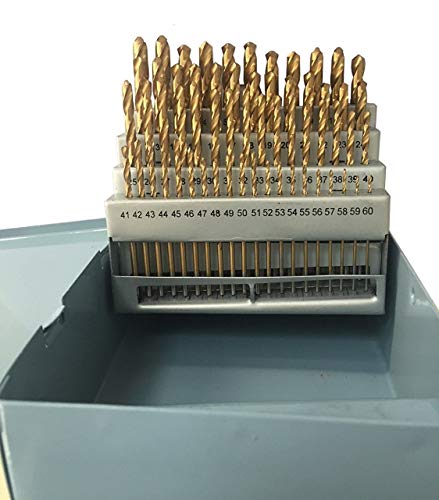
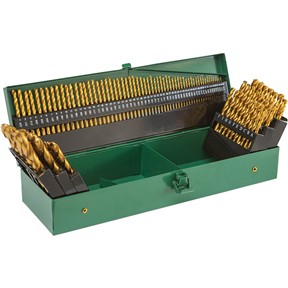
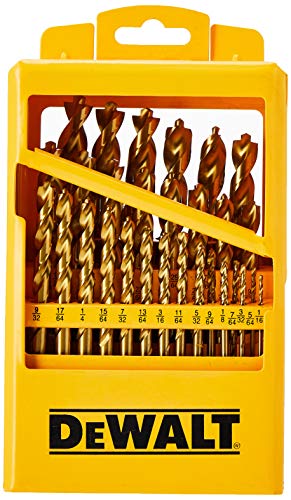
HSS drill bit setSharp bits make the speeds and hole sizes in this chart work.Amazon pick: LLDSIMEX 60-Piece TiN-Coated HSS Drill Bit Set; Grizzly pick: Grizzly PRO M2 HSS TiN-Coated Drill Bit Set, 115 pc
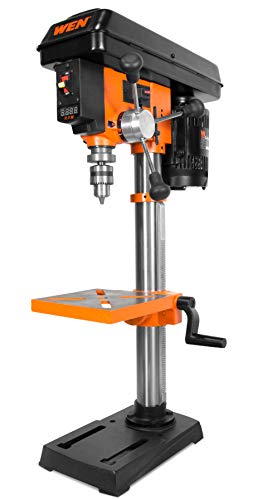
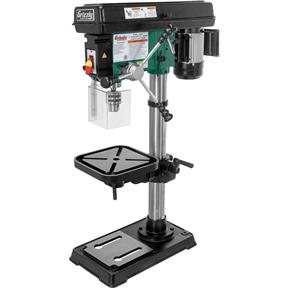
Benchtop drill pressHolds speed and depth steady for repeatable holes.Amazon pick: WEN 10 in Benchtop Drill Press; Grizzly pick: Grizzly 15 in Benchtop Drill Press with LED and Laser Guide
As an Amazon Associate, WorkshopCalc earns from qualifying purchases.
Standard Wood Screw Pilot Hole Chart (#2 - #14)
This chart shows pilot hole sizes for standard wood screws. The softwood column is for pine, cedar, fir, and similar species. The hardwood column is for oak, maple, walnut, and other dense woods.
Screw Gauge
Screw Diameter
Pilot Hole (Softwood)
Pilot Hole (Hardwood)
Clearance Hole (Shank)
Countersink Diameter
#2
0.086" (2.2mm)
1/16" (1.6mm)
1/16" (1.6mm)
3/32" (2.4mm)
3/16" (4.8mm)
#3
0.099" (2.5mm)
1/16" (1.6mm)
5/64" (2.0mm)
7/64" (2.8mm)
7/32" (5.6mm)
#4
0.112" (2.8mm)
1/16" (1.6mm)
5/64" (2.0mm)
1/8" (3.2mm)
1/4" (6.4mm)
#5
0.125" (3.2mm)
5/64" (2.0mm)
3/32" (2.4mm)
9/64" (3.6mm)
1/4" (6.4mm)
#6
0.138" (3.5mm)
5/64" (2.0mm)
3/32" (2.4mm)
9/64" (3.6mm)
9/32" (7.1mm)
#7
0.151" (3.8mm)
3/32" (2.4mm)
7/64" (2.8mm)
5/32" (4.0mm)
5/16" (8mm)
#8
0.164" (4.2mm)
7/64" (2.8mm)
1/8" (3.2mm)
11/64" (4.4mm)
5/16" (8mm)
#9
0.177" (4.5mm)
7/64" (2.8mm)
1/8" (3.2mm)
3/16" (4.8mm)
3/8" (9.5mm)
#10
0.190" (4.8mm)
1/8" (3.2mm)
9/64" (3.6mm)
3/16" (4.8mm)
3/8" (9.5mm)
#12
0.216" (5.5mm)
9/64" (3.6mm)
5/32" (4.0mm)
7/32" (5.6mm)
7/16" (11mm)
#14
0.242" (6.1mm)
5/32" (4.0mm)
11/64" (4.4mm)
1/4" (6.4mm)
1/2" (12.7mm)
The bits that drill every hole on this chart
One indexed bit set plus a countersink covers every pilot and clearance size in the tables above.
As an Amazon Associate, WorkshopCalc earns from qualifying purchases. Prices are approximate and can change.
Sheet Metal Screw Pilot Hole Chart
Sheet metal screws have sharper threads designed to cut into thin metal. When used in wood, use the softwood pilot hole size.
Screw Size
Screw Diameter
Pilot Hole (Thin Metal)
Pilot Hole (Thick Metal)
Pilot Hole (Wood)
#4
0.112" (2.8mm)
3/32" (2.4mm)
7/64" (2.8mm)
1/16" (1.6mm)
#6
0.138" (3.5mm)
7/64" (2.8mm)
1/8" (3.2mm)
5/64" (2.0mm)
#8
0.164" (4.2mm)
1/8" (3.2mm)
9/64" (3.6mm)
7/64" (2.8mm)
#10
0.190" (4.8mm)
9/64" (3.6mm)
5/32" (4.0mm)
1/8" (3.2mm)
#12
0.216" (5.5mm)
11/64" (4.4mm)
3/16" (4.8mm)
9/64" (3.6mm)
#14
0.242" (6.1mm)
3/16" (4.8mm)
13/64" (5.2mm)
5/32" (4.0mm)
Deck Screw Pilot Hole Chart
Deck screws are designed for exterior use with coarse threads. Most have a self-drilling tip, but pilot holes are still recommended for hardwoods and near edges.
Screw Size
Screw Diameter
Pilot Hole (Softwood/PT Lumber)
Pilot Hole (Hardwood Decking)
Clearance Hole
#7 (2")
0.151" (3.8mm)
3/32" (2.4mm)
7/64" (2.8mm)
5/32" (4.0mm)
#8 (2-1/2")
0.164" (4.2mm)
7/64" (2.8mm)
1/8" (3.2mm)
11/64" (4.4mm)
#9 (3")
0.177" (4.5mm)
7/64" (2.8mm)
1/8" (3.2mm)
3/16" (4.8mm)
#10 (3-1/2")
0.190" (4.8mm)
1/8" (3.2mm)
9/64" (3.6mm)
3/16" (4.8mm)
#12 (4")
0.216" (5.5mm)
9/64" (3.6mm)
5/32" (4.0mm)
7/32" (5.6mm)
Pocket Hole Screw Pilot Hole Chart
Pocket hole screws (like Kreg screws) are designed for pocket hole joinery. The pocket hole jig creates the angled hole, but you may need pilot holes in the receiving piece for hardwoods.
Material Thickness
Screw Length
Screw Type
Pilot Hole (Hardwood Only)
Drill Bit Size
1/2"
3/4"
Fine Thread
5/64" (2.0mm)
3/8" step drill
3/4"
1-1/4"
Coarse/Fine
5/64" (2.0mm)
3/8" step drill
1"
1-1/2"
Coarse/Fine
3/32" (2.4mm)
3/8" step drill
1-1/4"
2"
Coarse/Fine
3/32" (2.4mm)
3/8" step drill
1-1/2"
2-1/2"
Coarse/Fine
7/64" (2.8mm)
3/8" step drill
Pocket Hole Tip
Use coarse-thread pocket screws for softwoods and plywood. Use fine-thread screws for hardwoods and MDF. Pilot holes in the receiving piece are typically only needed for dense hardwoods like oak, maple, or walnut.
Lag Screw / Lag Bolt Pilot Hole Chart
Lag screws (lag bolts) require two-stage drilling: a pilot hole for the threaded portion and a clearance hole for the unthreaded shank.
Lag Screw Diameter
Pilot Hole (Softwood)
Pilot Hole (Hardwood)
Clearance Hole (Shank)
Counterbore (Washer)
1/4"
5/32" (4.0mm)
3/16" (4.8mm)
1/4" (6.4mm)
5/8" (16mm)
5/16"
3/16" (4.8mm)
7/32" (5.6mm)
5/16" (8mm)
3/4" (19mm)
3/8"
1/4" (6.4mm)
5/16" (8mm)
3/8" (9.5mm)
7/8" (22mm)
7/16"
5/16" (8mm)
3/8" (9.5mm)
7/16" (11mm)
1" (25mm)
1/2"
3/8" (9.5mm)
7/16" (11mm)
1/2" (12.7mm)
1-1/8" (29mm)
5/8"
1/2" (12.7mm)
9/16" (14mm)
5/8" (16mm)
1-3/8" (35mm)
3/4"
5/8" (16mm)
11/16" (17mm)
3/4" (19mm)
1-1/2" (38mm)
Charts by Screw Type
Standard Wood Screws
Traditional wood screws with tapered shanks. The pilot hole should be drilled to full screw depth. These screws typically have slotted or Phillips heads.
Gauge
Root Diameter
Pilot (Softwood)
Pilot (Hardwood)
Notes
#6
0.091"
5/64"
3/32"
Common for light-duty work
#8
0.108"
7/64"
1/8"
Most popular size for furniture
#10
0.128"
1/8"
9/64"
Good for cabinetry and trim
#12
0.148"
9/64"
5/32"
Heavy-duty applications
Self-Drilling Screws
Self-drilling screws have a drill-point tip that eliminates the need for pilot holes in most softwoods and thin materials. However, pilot holes are still recommended for hardwoods and near edges.
Screw Size
When to Use Pilot Hole
Pilot Size (if needed)
Typical Applications
#6
Hardwood, near edges
1/16" - 5/64"
Light construction, trim
#8
Hardwood, near edges, dense PT lumber
5/64" - 3/32"
General construction, decking
#10
Hardwood, near edges, structural
3/32" - 7/64"
Framing, heavy construction
#12
Almost always recommended
7/64" - 1/8"
Heavy structural work
Structural Screws (GRK, Spax, TimberLok)
Premium structural screws like GRK, Spax, and TimberLok feature aggressive threads, self-drilling tips, and special coatings. They are engineered to be driven without pilot holes in most applications.
Screw Diameter
Pilot Hole Needed?
Pilot Size (if used)
Best Practices
0.151" (#7)
Rarely - only dense hardwoods
3/32"
Drive at medium-high speed
0.164" (#8)
Rarely - hardwoods, near edges
7/64"
Let screw do the work
0.190" (#10)
Sometimes - hardwoods, thin stock
1/8"
Back off if resistance increases
5/16"
Recommended for hardwoods
3/16"
Use in structural applications
3/8"
Recommended in most cases
1/4"
Heavy timber connections
Structural Screw Tip
GRK, Spax, and similar structural screws have special thread designs that cut fibers rather than displacing them. This reduces splitting but still benefits from pilot holes in very dense materials like white oak, ipe, or exotic hardwoods.
When to Use Pilot Holes: Complete Guide
Always Use Pilot Holes
Hardwoods (oak, maple, walnut, cherry)
Exotic woods (ipe, teak, mahogany)
Near board edges (within 1" of edge)
Near board ends (within 2" of end)
Old, dry, or brittle wood
Thin stock (under 1/2")
Large screws (#10 and up)
Dense pressure-treated lumber
Plywood edges
MDF and particleboard edges
Pilot Holes Usually Not Required
Softwoods (pine, cedar, fir, spruce)
Small screws (#6 and under) in softwood
Self-drilling screws in softwood
Structural screws (GRK, Spax) in softwood
Screws well away from edges
Sheet goods (plywood, OSB face)
Green or wet lumber
Benefits of Pilot Holes
Prevents wood from splitting
Ensures screws drive straight
Reduces driving torque required
Allows precise screw placement
Creates stronger joints in hardwood
Prevents stripped screw heads
Extends drill/driver battery life
Pilot Hole Best Practices
Match drill bit to screw root diameter
Drill to full screw thread depth
Keep drill perpendicular to surface
Use depth stop for consistency
Clear chips from hole before driving
Wax screws for easier driving
Use tapered bits for countersinking
Pilot Hole Depth Guidelines
Application
Pilot Hole Depth
Notes
Softwood - standard screws
1/2 to 2/3 of screw length
Deeper if near edges
Hardwood - standard screws
Full thread length
Match screw thread depth
Lag screws
Full thread length
Plus clearance hole for shank
Edge screwing
Full screw length
Prevents splitting at end
End grain
Full screw length
Slightly larger diameter too
Need to Calculate Tap Drill Sizes?
Use our Drill and Tap Size Calculator for machine threads, including SAE, metric, and NPT pipe threads.
Having the right drill bits on hand makes pilot hole drilling fast and accurate. These sets cover the full range of sizes in the charts above.
DEWALT
DW1354 14-Piece Titanium Drill Bit Set
Best Overall
14 PiecesTitanium CoatedPilot Point Tips
Pilot Point tips start on contact, no walking or skating
Titanium coating for long life and reduced friction
Covers sizes from 1/16" to 3/8" for most pilot hole needs
Tough case with labeled slots for quick size selection
W.L. Fuller
10349003C Countersinks with Taper Drills (Set of 3)
Best for Countersinking
#6, #8, #10Taper-Point DrillsCountersink & Pilot in One
Taper-point drill and countersink cut the pilot and head seat together
Sized for the most common #6, #8, and #10 wood screws
Tapered pilot matches the screw shank for a tight, strong hold
Ideal for furniture, cabinetry, and finish carpentry
As an Amazon Associate, WorkshopCalc earns from qualifying purchases. This helps support our free calculators and guides.
Sources
Wood screw major and root diameters per ASME B18.6.1 (slotted and recessed head wood screws)
Lag screw dimensions per ASME B18.2.1
American Wood Council, National Design Specification (NDS) for Wood Construction: lead hole guidance for lag screws
Researched from published specifications and standards, not hands-on testing. Not professional advice.
Frequently Asked Questions
5/64" (2.0mm) in softwood such as pine or cedar, and 3/32" (2.4mm) in hardwood such as oak or maple. The clearance hole for the shank of a #6 is 9/64" (3.6mm).
11/64" (4.4mm). Drill it through the top board so the screw pulls the two pieces tight; the pilot hole in the bottom board is 7/64" in softwood or 1/8" in hardwood.
1/4" (6.4mm) in softwood and 5/16" (8mm) in hardwood, with a 3/8" clearance hole through the piece being fastened. For a 5/16" lag screw, use 3/16" in softwood and 7/32" in hardwood.
For a #8 wood screw, use a 7/64" (2.8mm) pilot hole in softwood or a 1/8" (3.2mm) pilot hole in hardwood. The clearance hole (shank hole) should be 11/64" (4.4mm), and the countersink diameter is 5/16" (8mm). The #8 gauge is the most common size for furniture and cabinetry projects.
Not always. Pilot holes are essential for hardwoods to prevent splitting and for screws near edges or ends of boards. In softwood like pine or cedar, smaller screws (#6 and under) often don't need pilot holes if driven away from edges. Self-drilling and structural screws like GRK or Spax are specifically designed to be driven without pilot holes in most softwood applications, though pilot holes still help in hardwoods.
A pilot hole is drilled in the piece receiving the screw threads and is smaller than the screw diameter to allow the threads to bite and grip. A clearance hole (also called a shank hole or body hole) is drilled in the top piece and is larger than the screw shank, allowing the screw to pass through freely. This setup lets the screw pull the two pieces tightly together rather than just threading through both. For the strongest joints, use both a pilot hole and clearance hole.
Hardwoods like oak and maple are denser and more prone to splitting because their fibers resist displacement. Larger pilot holes remove more material, reducing the stress on wood fibers when the screw is driven. Softwoods like pine and cedar are more forgiving - their fibers compress around the screw threads, allowing smaller pilot holes for better grip. Using a softwood-sized pilot in hardwood risks splitting, while using hardwood-sized pilots in softwood may result in less holding power.
Drill a 3/16 inch pilot hole for a 5/16 inch lag bolt in softwood and 7/32 inch in hardwood, with a 5/16 inch clearance hole through the piece being fastened so the shank passes freely. Pilot the full thread length, not just the tip, and wax the threads on long lags; a 3/8 inch lag steps up to 1/4 inch softwood and 5/16 inch hardwood, as in the lag screw table above.
A 7/16-14 UNC tap uses a 3/8 inch tap drill for a standard 75 percent thread; 7/16-20 UNF uses a 25/64 inch (letter W) drill. Those are machine-screw tap sizes rather than wood screw pilot holes, so use the drill and tap size chart for the full UNC, UNF and metric hole and tap size list.